It's 11pm, you're three inches from the mirror, poking at a breakout that appeared out of nowhere. You did the ten step routine. You bought the serum every influencer swore by. And yet, your skin still looks tired, dull, and a little inflamed. Here's the plot twist nobody puts on the label: skincare products can only do so much. Real, lasting glow starts on the inside. This is where skin detox comes in, and no, it does not mean starving yourself or drinking some bitter juice for three days.
A proper skin detox is a 360 degree approach that combines what you eat, how you live, and what you put on your face. Think of your skin as a mirror of your gut, your liver, your sleep, and your stress levels. If any of these are off, your skin will tell on you first.
Why Skin Detox Is More Than a Trend
Skin detox has become one of the most searched wellness topics, and honestly, it deserves the hype, just not the extreme versions of it. Your liver, kidneys, lymphatic system, and gut already detoxify your body every single day. Your job is not to force a detox but to support the systems that are already working hard for you. That support comes from nutrient dense foods, hydration, movement, sleep, and a skin routine that respects your skin barrier instead of stripping it.
What to Eat for Glowing Skin
If you are wondering what to eat for glowing skin, the answer is not one miracle food. It is a pattern of eating that reduces inflammation, feeds your gut bacteria, and gives your skin the raw materials it needs to repair itself.
Colorful plants first.
Foods to eat for clear skin almost always include a rainbow of vegetables and fruits. Berries, pomegranate, spinach, and bell peppers are loaded with antioxidants that fight the oxidative stress which ages skin and triggers breakouts.

Healthy fats matter more than you think.
Walnuts, flaxseeds, and fatty fish like salmon are rich in omega 3s, which calm inflammation and keep your skin barrier strong so it holds on to moisture instead of looking flaky or dull.
Fermented foods for your gut.
Curd, kimchi, and kefir support gut bacteria diversity, and a growing body of research links gut health directly to skin conditions like acne and eczema through what scientists now call the gut skin axis.
Zinc rich foods.
Pumpkin seeds, chickpeas, and lentils help regulate oil production and support wound healing, which is genuinely useful if you deal with frequent breakouts.
Sea buckthorn, the quiet overachiever.
This bright orange berry is having a moment, and rightly so. Sea buckthorn is one of the few plant sources of omega 7, which supports mucous membranes and skin hydration from within. It is also packed with vitamin C and carotenoids. You will now find it in juices, oils, and even skincare serums.

The Matcha Advantage
If you needed one more reason to love matcha, here it is. Matcha is stone ground green tea leaves, so you consume the whole leaf instead of just steeped water, which means a much higher concentration of catechins, especially EGCG. This antioxidant has been studied for its ability to reduce inflammation and protect skin cells from UV related damage. Swapping your second coffee for a matcha latte made with plant milk is a small, trendy, and genuinely effective habit for skin detox.
Detox Water and Drinks That Actually Help
A morning detox drink for glowing skin does not need exotic ingredients. Warm water with lemon and a pinch of turmeric first thing in the morning supports digestion and gives you a dose of vitamin C. Cucumber and mint infused water is a simple detox water for skin that keeps you hydrated, which is honestly the single most underrated skin detox drink there is.
For an evening detox tea for glowing skin, try chamomile or hibiscus, both of which are calming and rich in antioxidants. A skin cleansing detox drink does not have to taste bad to work. Consistency matters far more than intensity.
Supplements Worth Understanding
Glutathione tablets have become extremely popular for skin brightening. Glutathione is a naturally occurring antioxidant made in your liver, and some studies suggest oral supplementation may reduce melanin production and support an even skin tone over time, though results vary and more long term research is still needed.
Collagen powder is another buzzword worth understanding rather than blindly following. Collagen naturally declines with age, and studies show that hydrolyzed collagen peptides may improve skin elasticity and hydration when taken consistently over eight to twelve weeks.
NAC supplement, short for N-acetylcysteine, is gaining attention for its role as a precursor to glutathione. It supports the body's own antioxidant production and has been studied for its anti-inflammatory properties, which can indirectly benefit skin clarity.
Always talk to a doctor before starting any supplement, since individual needs and interactions vary.

Lifestyle Habits That Complete the Detox
-
Sleep is when your skin repairs itself, so aim for seven to eight hours consistently.
-
Manage stress, since elevated cortisol is directly linked to breakouts and dullness.
-
Move your body daily, even a 20-minute walk boosts circulation and lymphatic drainage.
-
Limit alcohol and refined sugar, both of which trigger inflammation and accelerate collagen breakdown.
The Skin Routine Side of Detox
Internal detox works best paired with a routine that respects your skin.
-
Double cleanse at night to remove sunscreen, pollution, and makeup without over scrubbing.
-
Use a gentle exfoliant with AHA or BHA two to three times a week, not daily.
-
Never skip sunscreen, since UV damage undoes internal progress fast.
-
Keep your barrier strong with ceramides and ditch anything that leaves your skintight or stinging.
-
Introduce antioxidant serums, like vitamin C in the morning, to work alongside your internal detox efforts.
-
Give new products time, your skin needs four to six weeks before you judge results.
Key Takeaways
-
Skin detox is about supporting your liver, gut, and lymphatic system through food and lifestyle, not extreme cleanses.
-
What to eat for glowing skin includes colorful plants, healthy fats, fermented foods, and zinc rich options.
-
Matcha and sea buckthorn are trendy, science backed additions worth adding to your routine.
-
Supplements like glutathione, collagen, and NAC can support skin health but should be used mindfully and ideally with medical guidance.
-
A glowing complexion needs both an internal detox approach and a gentle, consistent skin routine working together.
Your skin does not need a miracle, it needs consistency. Small, trendy, and factually sound choices in what you eat and how you live will always outperform a quick fix.
FAQs
1. What should I eat for glowing skin every day?
Focus on vegetables, fruits, healthy fats, lean protein, and fermented foods daily for consistent results.
2. What is the best detox water for clear skin?
Cucumber mint water or lemon water in the morning are simple, effective, and easy to maintain daily.
3. How to detox skin naturally at home?
Prioritize hydration, sleep, fiber rich foods, reduced sugar intake, and a gentle skin routine.
4. Does matcha really help with skin health?
Yes, matcha is rich in EGCG, an antioxidant linked to reduced inflammation and UV protection.
5. Are glutathione tablets safe for daily use?
They can be safe for many people, but dosage and duration should be guided by a healthcare professional.
6. Does collagen powder actually work for skin?
Research shows collagen peptides may improve elasticity and hydration with consistent use over weeks.
7. What is sea buckthorn used for in skincare?
It supports skin hydration and barrier health due to its omega 7 content and antioxidant profile.
8. What should we eat for glowing skin if we have acne?
Prioritize zinc rich foods, low glycemic carbohydrates, and anti-inflammatory foods like leafy greens.
9. How does an NAC supplement help the skin?
It supports the body's natural glutathione production, which may reduce oxidative stress affecting skin.
10. Can a detox tea for glowing skin replace my skincare routine?
No, internal detox supports skin health but works best alongside a proper topical skin routine.

Recommended Products
 Skin Fuel Liposomal Glutathione 90% - Blueberry & Mint Flavour | 15 Tablets
₹1,259 – ₹2,149
Skin Fuel Liposomal Glutathione 90% - Blueberry & Mint Flavour | 15 Tablets
₹1,259 – ₹2,149
 Glutathione Skin Fuel Pro+ Strawberry Flavour
₹989 – ₹5,935
Glutathione Skin Fuel Pro+ Strawberry Flavour
₹989 – ₹5,935
 Glutathione Skin Fuel Pro+ Valencia Orange Flavour
₹989 – ₹5,935
Glutathione Skin Fuel Pro+ Valencia Orange Flavour
₹989 – ₹5,935
 Beauty Collagen Strawberry Watermelon Flavour
₹1,799 – ₹7,196
Beauty Collagen Strawberry Watermelon Flavour
₹1,799 – ₹7,196
 Beauty Korean Marine Collagen Peptides Mango Peach Flavour
₹1,799 – ₹7,196
Beauty Korean Marine Collagen Peptides Mango Peach Flavour
₹1,799 – ₹7,196
 Glow Korean Marine Collagen Peptides with Liposomal Glutathione & Vitamin C | Tropical Bliss Flavour | 250g
₹1,799 – ₹7,196
Glow Korean Marine Collagen Peptides with Liposomal Glutathione & Vitamin C | Tropical Bliss Flavour | 250g
₹1,799 – ₹7,196
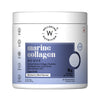 Korean Marine Collagen - Blueberry Mint
₹944 – ₹1,888
Korean Marine Collagen - Blueberry Mint
₹944 – ₹1,888
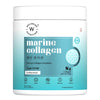 Pure Korean Marine Collagen Peptides | Unflavored | Combat Signs of Ageing
₹1,619 – ₹6,476
Pure Korean Marine Collagen Peptides | Unflavored | Combat Signs of Ageing
₹1,619 – ₹6,476
 Slow Advanced N-Acetyl-Cysteine + Glycine Capsules
₹1,259 – ₹2,518
Slow Advanced N-Acetyl-Cysteine + Glycine Capsules
₹1,259 – ₹2,518
 Himalayan Sea Buckthorn Juice with Curcumin Extract | 500ml
₹809
Himalayan Sea Buckthorn Juice with Curcumin Extract | 500ml
₹809