11 Zinc Benefits for Stronger Immunity and Radiant Skin
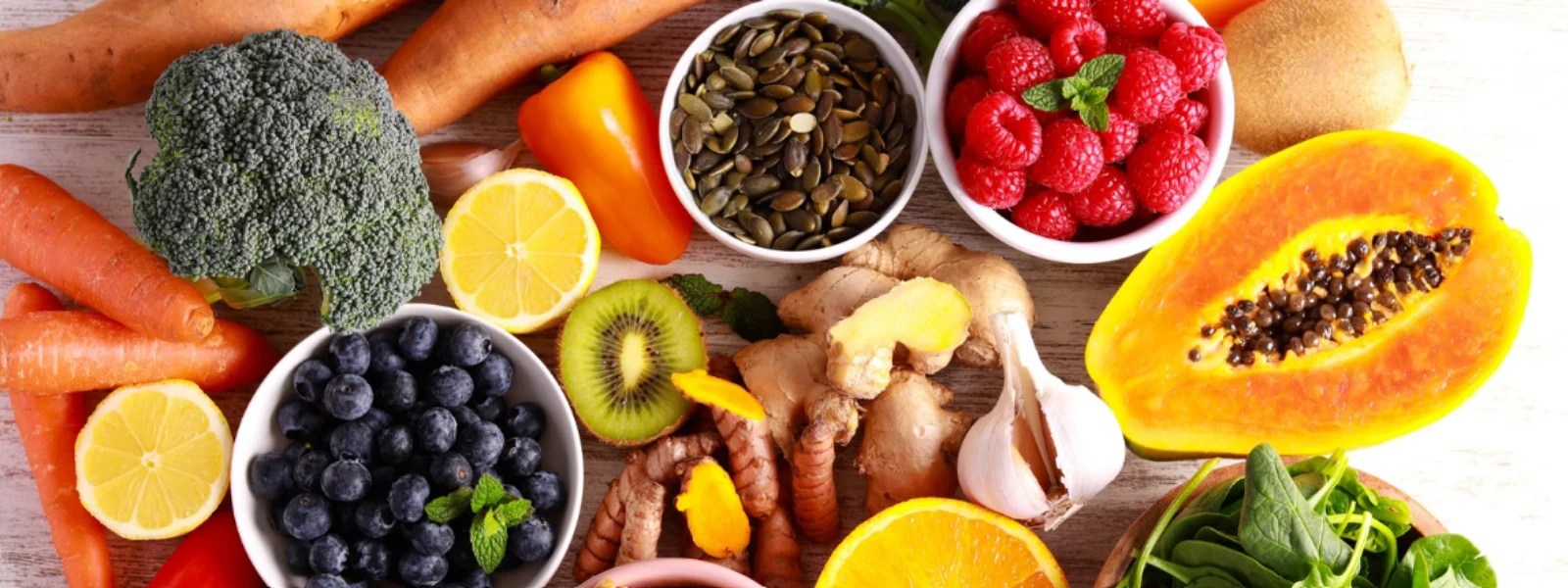


Zinc is involved in over 300 enzymatic reactions in the body—quietly supporting immune defence, skin repair, and cellular renewal every day. This guide explains how does zinc help immunity and skin health, what low zinc status may look like, and how to approach daily zinc intake with care.
Zinc is a trace mineral involved in hundreds of enzymatic reactions. These reactions help cells grow, repair, and communicate. That broad role links zinc benefits across the immune system, skin, and hormone production.
Some mineral supplements are discussed for one main body function. Zinc has a wider role. It supports immune activity, cellular repair, DNA synthesis, and skin structure. This does not mean more zinc is always beneficial. Balance matters.
Zinc for immunity supports both innate and adaptive immune responses. These systems help the body recognise and respond to challenges. Zinc also supports immune cell development and helps regulate infection-related responses.
Immune cells rely on signals to act in a coordinated way. Zinc helps regulate these signalling pathways. When zinc status is low, normal immune system support may be affected. Research indicates that zinc acts on multiple intracellular signalling molecules, helping to fine-tune the immune response rather than simply switching it on or off.
Illness and stress can place added demands on the body. Adequate zinc from food and, when appropriate, supplements can help maintain normal immune function during these periods. Studies suggest that even mild zinc insufficiency can impair the activity of natural killer cells and T-lymphocytes, both of which are central to a timely immune response.
Zinc helps the immune system by supporting both innate and adaptive immune responses. It aids the development and function of immune cells, regulates immune cell signalling pathways, and helps the body maintain a coordinated response during periods of increased immune demand. Understanding how does zinc help immunity and skin health begins with recognising its role at the cellular level—where it influences DNA synthesis, protein production, and the activity of immune-regulating enzymes.
Zinc for skin is linked with wound healing, tissue repair, and skin barrier function. The skin barrier helps protect the body from the outside environment. Zinc also has a role in inflammation, which can affect how skin looks and feels. These skin health benefits are supported by zinc's involvement in cellular repair and collagen-related processes.
Collagen and zinc are connected through tissue repair. Collagen is a key structural part of skin, while zinc supports the processes involved in its production and renewal.
Zinc may support skin affected by inflammation, including acne-prone skin. A healthy skin barrier and normal repair processes can also support a more even-looking complexion. Results can vary, and zinc is not a cure for skin concerns.
Zinc supports hundreds of enzyme-driven reactions.
It supports innate immune defences.
It supports adaptive immune responses.
It helps immune cells develop and function.
It helps regulate immune cell signalling.
It supports normal infection-related immune regulation.
It contributes to DNA synthesis.
It supports cellular repair and renewal.
It contributes to wound healing and tissue repair.
It supports skin barrier function and collagen-related processes.
It has a role in hormone production.
These zinc benefits overlap. Cellular repair, for example, matters for both immune cells and skin tissue.
Insight Corner: One Mineral, Two Visible Roles
Zinc's contribution to both immunity and skin health is rooted in a single underlying mechanism: it enables the rapid cell division and protein synthesis needed to produce new immune cells and renew skin tissue. This shared biological foundation means that supporting zinc status can have visible effects in both areas simultaneously.
Nutritional deficiencies can affect many systems. Possible signs linked with low zinc status include skin changes, reduced immune function, hair loss, appetite loss, delayed wound healing, and changes in taste or smell. These signs can have other causes too. They do not confirm a deficiency on their own.
If symptoms persist, seek individual guidance rather than self-diagnosing. A suitable approach depends on diet, health history, and supplement use.
Zinc absorption matters as much as zinc intake. Food can provide zinc, while mineral supplements may help address an identified dietary gap. The right approach depends on the person and the product format.
A varied diet can help support zinc intake. Well-known zinc-rich foods include shellfish, legumes, seeds, nuts, and whole grains. If your diet is limited or inconsistent, discuss options with a qualified health professional.
Daily zinc intake should stay within appropriate limits. High intake may raise toxicity concerns and can affect copper status. Follow product directions and avoid combining several zinc-containing products without checking the total amount.
People with nutritional deficiencies, restricted diets, or low dietary variety may need closer attention to zinc intake. Zinc tablets may be used to support intake, support normal immunity, and support skin health when dietary intake falls short. They should not replace a varied diet or medical care.
Signs associated with low zinc status include skin changes, reduced immune function, hair loss, appetite loss, delayed wound healing, and changes in taste or smell. These signs can also have other causes and are not diagnostic on their own. If you are concerned about your zinc status, seek guidance from a qualified health professional.
Zinc can be taken daily when the amount is appropriate. Excess intake may cause toxicity concerns and may interfere with copper status. Check total intake from all supplements.
Zinc tablets may help support zinc intake when food alone does not meet needs. They are commonly considered for immune system support, skin health support, and correcting an identified dietary shortfall.
Zinc supports immune signalling, DNA synthesis, tissue repair, collagen-related processes, and skin barrier function. Its value comes from steady, balanced intake rather than excess. For those exploring supportive nutrition, Wellbeing Nutrition focuses on Superior ingredients, highly absorbable formats, palatable flavors across its wellness range.




Someone sent you


