How Vegetarians Get Enough Omega-3?
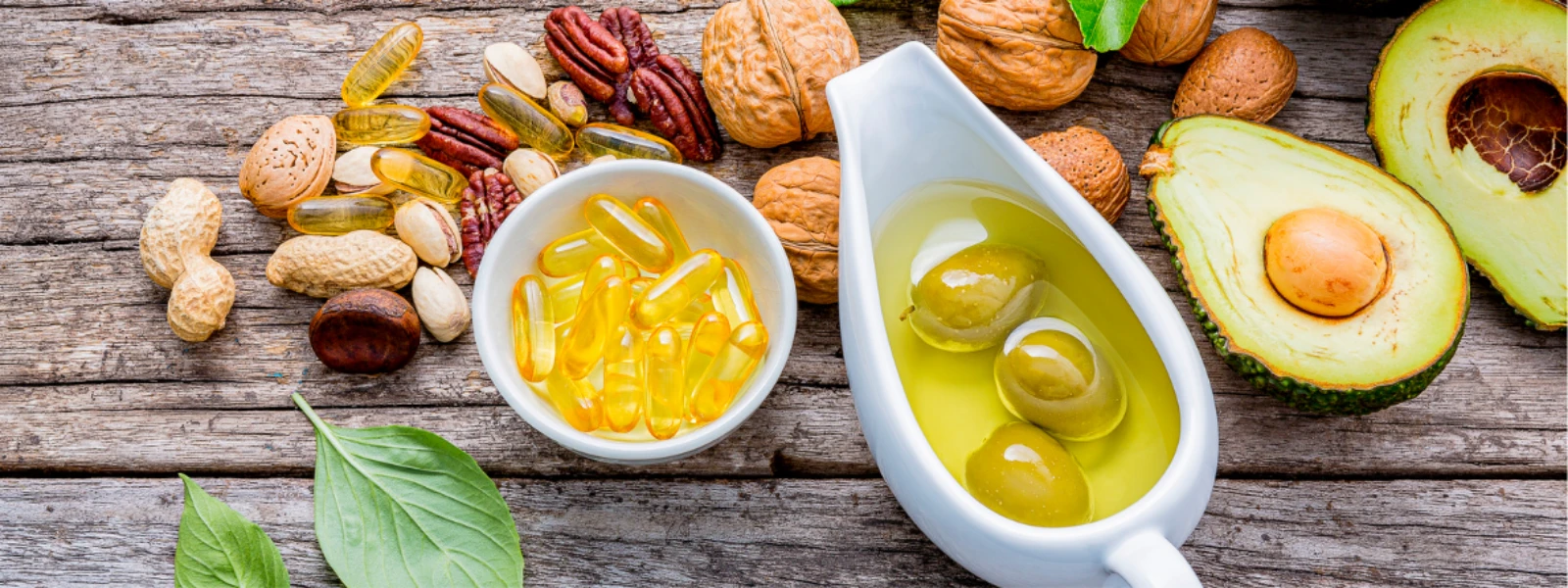


A vegetarian diet can include omega-3 fats, but the route differs from a fish based diet. Most vegetarian omega-3 sources provide ALA, while EPA and DHA are found directly in algae. This guide explains how can vegetarians get enough omega 3 through everyday foods, thoughtful meal choices, and, when appropriate, vegetarian omega 3 supplements.
You will learn how each form works, which foods fit an Indian vegetarian diet, and how to build a simple daily plan.
Omega-3 is a family of fats, not one single nutrient. Plant foods mainly provide ALA, and the body must convert ALA into EPA and DHA. That conversion step makes omega 3 for vegetarians more complex.
Eating ALA rich foods is still useful, and a varied diet with attention to algae based EPA and DHA can help cover the wider picture.
ALA, or alpha linolenic acid, is the main plant based omega 3. Flaxseed, chia seeds, hemp seeds, walnuts, soy foods, and some oils provide ALA.
EPA and DHA are longer chain omega-3 fats. Seaweed and algae are the key plant based sources that can provide them directly. Algal oil is made from algae and is a fish free supplement option.
The body can convert some ALA into EPA and DHA, but this process is limited. That is why a vegetarian diet omega 3 plan should not rely on one food alone. Include several ALA sources across the week. Consider direct algal oil omega 3 if your dietary pattern has little or no algae derived EPA or DHA.
Did You Know?
ALA foods and algal EPA and DHA have different roles. Seeds and walnuts support ALA intake, while algae can provide EPA and DHA directly.
Build meals around familiar foods rather than searching for one perfect source. Rotate seeds, nuts, legumes, and soy foods. This makes plant based omega 3 intake easier to maintain.
Flaxseed omega 3 comes from ALA. Ground flaxseed is often more practical than whole flaxseed because it can be mixed into curd, porridge, dough, or smoothies. Keep it dry and fresh.
Chia seeds omega 3 also comes from ALA. Stir chia into oats, yoghurt, or a drink and allow it to soften. Hemp seeds omega 3 is another ALA option. Sprinkle hemp seeds over salads, rice bowls, or cooked vegetables.
Use these foods as part of meals, not as a replacement for balanced meals. Choose the seed you enjoy and use it often.
Walnuts are a useful omega-3 rich dry fruit for vegetarians. Add them to breakfast, carry them as a snack, or mix them into a savoury dish.
Edamame and soybeans add variety to vegetarian meals. They can fit into stir fries, grain bowls, salads, and curries.
Seaweed and algae stand apart from ALA only foods. They are relevant because algae can provide EPA and DHA directly, making them a valuable addition for vegetarians seeking long chain omega-3 fats. Food availability may vary, so some people use algal oil capsules instead.
Indian kitchens already offer several vegetarian omega 3 sources. Alsi, also called flaxseed, can be ground into chutney, added to atta, or mixed into breakfast foods. Walnuts work well with fruit, oats, or curd. Soybeans can be used in curries and salads.
Mustard oil is also used in many regional cooking styles and can contribute ALA. Use oils as part of an overall pattern rather than treating any oil as a complete source of omega-3.
A practical food chart can be simple:
Flaxseed and chia seeds — ALA
Hemp seeds and walnuts — ALA
Edamame and soybeans — ALA
Seaweed and algal oil — EPA and DHA
Choose flax or chia regularly, include walnuts when convenient, add soy or edamame during the week, and review whether algae based EPA and DHA suits your routine.
Fruits and vegetables are valuable for many reasons, but they are not usually the main answer to omega-3 intake. Some vegetables, including kale, may contribute small amounts, and certain fruits such as avocado or berries may provide trace omega-3, though they are not primary sources. Their contribution is modest compared with seeds, walnuts, soy foods, and algae.
Eat fruits and vegetables for fibre, colour, and meal balance. For omega-3, make a clear place for ALA rich foods and, if needed, algal EPA and DHA.
ALA conversion depends on more than one food choice. A diet very high in linoleic acid, an omega-6 fat found in many foods and oils, may compete with ALA conversion, which is why maintaining a balanced omega-3 to omega-6 ratio matters.
The goal is not to avoid omega-6 completely. Both omega-3 and omega-6 have roles in the diet. Instead, avoid letting highly processed food patterns crowd out flaxseed, chia, walnuts, soy foods, and other whole foods.
Use a varied eating pattern and include ALA sources regularly, as this supports a more balanced approach than taking a large amount of one ingredient on occasion.
Vegetarian omega 3 supplements can help people who want a direct source of EPA and DHA without fish. Algal oil is the primary option because it comes from algae.
Algal oil and fish oil can both provide EPA and DHA. For vegetarians, algal oil offers a fish free route to these long chain omega-3 fats. Check the product label to see whether it provides DHA alone or both EPA and DHA.
Read the label for the amount of EPA and DHA per serving. Check the suggested use and any dietary certifications that matter to you. Review ingredients carefully, especially if you follow a strict vegetarian diet.
A supplement can support food habits, but it does not replace them. If you have a medical condition, take medicines, or have specific nutrition concerns, seek personalised guidance from a qualified health professional.
Possible signs linked with low omega-3 intake can be hard to identify because they may have many causes. Dry skin, changes in hair or nails, tiredness, and difficulty focusing are not specific to omega-3.
Do not self diagnose from one sign. Review your eating pattern first. If concerns continue, speak with a qualified health professional who can assess your diet and wider health needs.
Start the day with oats, curd, or a smoothie with ground flaxseed or chia. Add walnuts as a snack or to breakfast. Include soybeans, edamame, or another protein rich vegetarian meal later in the day.
Use mustard oil when it fits your usual cooking style. Add vegetables for meal balance, while remembering that seeds and nuts remain stronger ALA sources. If direct EPA and DHA are a priority, consider an algal oil supplement after checking its label and suitability.
This approach answers how can vegetarians get enough omega 3: combine regular ALA foods with an informed decision about algae derived EPA and DHA.
Flaxseed, chia seeds, hemp seeds, walnuts, edamame, soybeans, seaweed, and algae are key choices. Seeds and walnuts mainly provide ALA. Algae can provide EPA and DHA directly.
Curd should not be treated as a main omega-3 source. Its omega-3 content can vary, so use it as a base for foods such as ground flaxseed or chia rather than relying on it for omega-3.
Walnuts are the main omega-3 rich dry fruit in a vegetarian diet. They provide ALA and are easy to add to breakfast, snacks, and meals.
Possible signs associated with low omega-3 intake include dry skin, changes in hair or nails, tiredness, and difficulty focusing. These signs are not specific to omega-3 and may have many causes. If you have concerns, review your eating pattern and speak with a qualified health professional for personalised guidance.
A strong vegetarian omega-3 plan starts with regular ALA foods such as flaxseed, chia, hemp seeds, walnuts, and soy foods. Algae adds a direct route to EPA and DHA. Keep meals varied, read supplement labels carefully, and seek qualified advice when you need individual guidance. Wellbeing Nutrition focuses on Superior ingredients, highly absorbable formats, palatable flavors for people exploring their wellness routines.




Someone sent you


