Unlock Good Health: How Much Water Do You Really Need Daily?
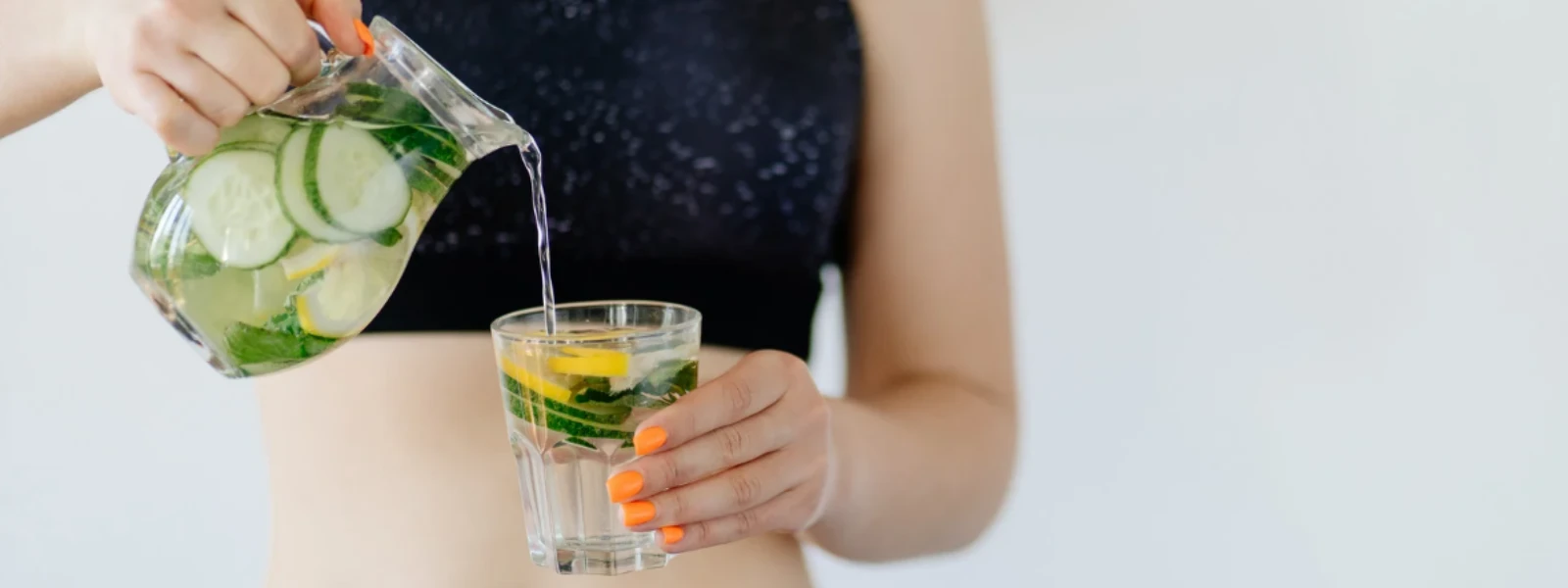


How much water should you drink in a day for good health? The answer is personal. Daily water intake can change with body weight, age, activity, food habits, and climate. This guide explains how to think about optimal hydration without relying on one fixed number.
The familiar '8 glasses' rule is simple, but it cannot fit every person. A larger body, hot weather, exercise, and fluid loss can change how much water to drink. Your meals matter too. Foods and drinks can add fluid across the day.
Use general water intake recommendations as a starting point, not a strict target. Your routine and how you feel can offer useful context.
A weight-based water intake calculator may use your body weight as one input. It may also ask about exercise, climate, and other daily factors. This can feel more relevant than a single cup count.
A calculator can take your weight in kg, then adjust its estimate for your lifestyle. The exact ratio should come from a qualified clinical source. Do not assume that one formula is right for all people.
For example, a person enters their weight, selects their activity level, and notes whether they live or exercise in heat. The result is an estimate to review, not a medical instruction.
According to guidance from the National Academies of Medicine, a widely referenced general guideline is 2.7 L for women and 3.7 L for men. These figures relate to total fluid intake, not only plain water. Individual needs may still differ.
Insight Corner: Your Water Bottle Is Only Part of the Story
Food, milk, and other beverages can contribute to daily water intake. This is why a pure-water-only target may not show the full picture.
Age can shape hydration needs. A 16-year-old may have different needs from an adult due to growth, sport, and daily routine. The supplied guidance does not provide a set intake for teenagers. A parent, clinician, or qualified health professional can help when an individual target is needed.
Heat can affect fluid needs. This is relevant in many parts of India, especially during active days outdoors. Diet can also affect total fluid intake. Rather than use one India-wide litre target, consider local heat, activity, and the fluids in meals.
Daily fluid intake includes more than plain water. Food, milk, and other beverages can count toward the total. Water-rich foods may also support hydration during meals and snacks. Staying well hydrated is also relevant to water for skin health, as adequate daily fluid intake supports the skin's normal function.
Plain water remains a practical choice for many people. Yet hydration benefits do not depend on treating every other fluid as irrelevant. The goal is a balanced daily pattern that fits your needs.
A water intake calculator works best when its inputs match your real routine. Enter body weight in kg. Include your usual activity level. Consider whether you spend time in heat or travel often.
Check what the result measures. Some tools estimate total fluids, while others focus on drinking water. A calculator cannot diagnose dehydration or replace personal medical advice.
Signs of dehydration can be hard to judge without a medical source and personal context. They can also have causes beyond low fluid intake. Seven areas to notice are thirst, changes in urine, dry mouth, tiredness, dizziness, headache, and reduced alertness.
These signs are not a self-diagnosis tool. If symptoms are severe, persistent, or worrying, seek professional medical advice.
Understanding the benefits of drinking water can motivate a consistent daily routine. Make drinking water part of your normal routine. Have fluids with meals. Keep water nearby during work, travel, or exercise. Include water-rich foods as part of varied meals.
Sipping across the day may be easier than drinking a large amount at once. It also helps you notice thirst and adjust to your routine. There is no need to turn hydration into a rigid schedule.
More is not always better. According to guidance from WebMD, 92 to 124 oz is noted as an average adult range. A daily amount of 4 L may exceed the needs of some average adults, while others may need more due to heat or activity.
Very high intake can raise the risk of overhydration. Avoid forcing large volumes quickly. Personal health conditions can also affect fluid needs, so seek qualified guidance when you need a specific limit.
Common areas to watch include thirst, urine changes, dry mouth, tiredness, dizziness, headache, and reduced alertness. These signs can have other causes, so persistent concerns need medical advice.
Water supports normal fluid balance and is relevant to the body's process of filtering waste. Kidney needs can vary by person, especially with a health condition.
Sipping through the day is often a practical way to maintain a steady fluid routine. It may be easier than trying to drink a large amount at one time.
It may be more than some people need. Activity, heat, food, and individual health needs all matter. Avoid using 4 L as a universal target.
Good hydration is personal. Consider your weight, age, activity, climate, and total fluid intake from food and drinks. Notice possible signs of dehydration without treating them as a diagnosis. For daily wellness routines, Wellbeing Nutrition focuses on Superior ingredients, highly absorbable formats, palatable flavors to support everyday wellness routines.




Someone sent you


