Transform Your Digestion: The Best Fermented Foods for a Healthy Gut
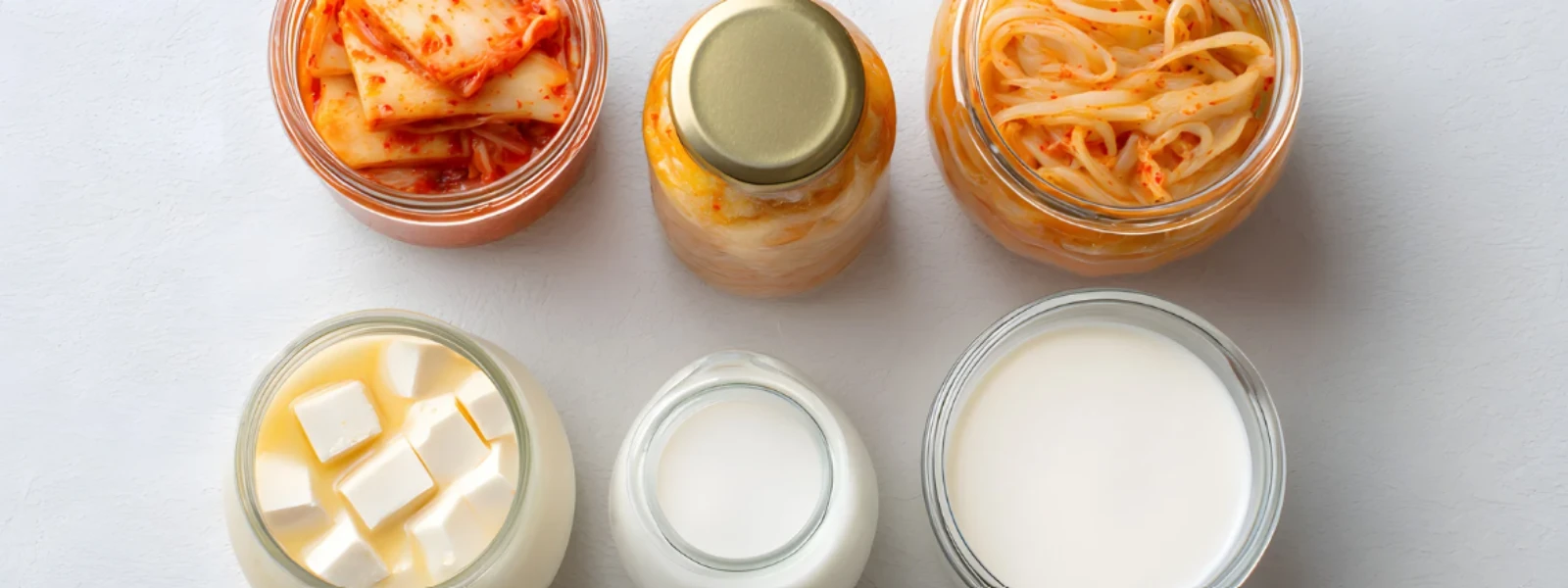


Fermented foods bring long-standing food traditions into a modern gut health routine. Through fermentation, microbes change a food's taste, texture, and storage life. Some fermented foods also contain live cultures. These cultures may be a useful part of a varied diet for healthy digestion.
This guide explains the best fermented foods for gut health, including global and Indian choices. You will also learn how to choose products with live cultures and add them to meals with care.
Fermentation is a process in which microbes act on ingredients such as milk, vegetables, grains, or legumes. The result can be tangy, fizzy, sour, or mildly savoury food.
Fermented foods and probiotic foods are related, but they are not always the same. A fermented food may contain live cultures. Yet processing, heating, and storage can affect whether those cultures remain in the final product.
Live cultures are microbes that are present in some foods when you eat them. In certain fermented foods, they come from the fermentation process itself. These foods can add variety to the foods that support your microbiome.
The microbiome is the collection of microbes that live in and on the body. Gut bacteria are one part of this larger system. Food choices, including fibre-rich foods and fermented foods, can be part of a balanced approach to gut health.
Many people enjoy fermented foods because they are flavourful and easy to pair with meals. Yogurt, chaas, kimchi, and fermented rice dishes can also add variety to a food for gut health plan.
Individual responses differ. A small serving is often a sensible way to learn how a fermented food fits your routine. If a food causes discomfort, reduce the portion or choose another option.
Insight Corner: Fermented Does Not Always Mean Live
Heat treatment can reduce or remove live cultures. Check the label when live cultures are important to your choice.
The best fermented foods for gut health are often the foods you enjoy and can eat consistently. These global options offer different formats, from dairy drinks to vegetable sides and plant-based staples.
Kefir is a fermented milk drink with a thinner texture than yogurt. It is often discussed as a probiotic food because it may contain live cultures. Its drinkable form can make it easy to have with breakfast or as part of a snack.
Choose plain kefir when possible if you want a simple flavour profile. Read the label for storage details and live-culture information.
Sauerkraut is fermented cabbage. Kimchi is a fermented vegetable dish that may include cabbage and other vegetables. Both can bring a crisp, sour element to meals.
These foods are useful examples of fermented vegetables. They can work as a small side with rice bowls, wraps, eggs, or grain-based meals. Refrigerated versions may be more likely to retain live cultures than shelf-stable products, but labels remain important.
Kombucha is a fermented tea drink. Miso is a fermented paste that can add a deep savoury taste to soups and dressings. Tempeh is made from fermented soybeans and has a firm, nutty texture.
These choices add range for people who prefer plant-based fermented foods. They are not interchangeable. Kombucha is a beverage, miso is mainly used for flavour, and tempeh can form the base of a meal. Some discussions of fermented foods also consider their role within eating patterns that support inflammation balance, but no single food can define that outcome.
Indian kitchens offer many familiar fermented foods. For the question, 'Which Indian food is good for gut bacteria?', idli, chaas, and ragi ambli are practical starting points. Their value depends on the food, its preparation, and whether live cultures remain at the time of eating.
Idli is made from fermented rice and urad dal (black lentil) batter. The batter develops its characteristic aroma and light texture before steaming. Fresh idli can be paired with sambar or a vegetable-based side for a balanced meal.
Chaas is a cultured dairy drink that is often served alongside meals. Ragi ambli is a millet-based fermented preparation. These options show that fermentation can fit familiar food habits without major changes to your diet.
Fermented rice and urad dal (black lentil) batter can also be used in other home-style preparations. The key is to treat these foods as part of a varied plate, rather than as a stand-alone answer to digestive health.
Regional food traditions include many fermented grain, millet, dairy, and rice preparations. Availability and recipes vary by household and location. Ragi ambli is one accessible example of a millet-based fermented food. Other regional preparations include kanji, a fermented carrot or black carrot drink from North India, and koozh, a fermented millet porridge from Tamil Nadu. Each reflects a distinct local tradition of using fermentation to develop flavour and extend shelf life.
If you are trying a new regional food, ask how it was fermented, cooked, and stored. This helps you understand whether it is mainly valued for its fermented flavour or whether it may also contain live cultures.
No four foods can promise to heal a gut. Digestive concerns can have many causes, and persistent symptoms need individual medical guidance. Still, if you want four fermented foods to begin exploring, choose options that are easy to recognise and fit regular meals.
Yogurt: A familiar cultured dairy food. Look for live cultures on the label.
Kefir: A fermented milk drink that differs from yogurt in texture and format.
Sauerkraut: A fermented cabbage option for those who enjoy vegetable sides.
Idli: A familiar Indian food made from fermented rice and urad dal (black lentil) batter.
Start with the one that suits your usual meals. A consistent, comfortable routine matters more than trying many foods at once.
For people asking, 'What vegetables are good for gut health?', fermented vegetables are one option to consider. Sauerkraut, kimchi, and fermented pickles are common choices.
These foods can add a sharp flavour to simple meals. Use them in small amounts beside a main dish instead of treating them as the whole meal. Pickles vary widely. Some are fermented, while others are preserved in vinegar. Only the fermented type follows the fermentation process discussed here.
Check portion sizes as well. Fermented vegetable foods can be salty, depending on the recipe and brand. This makes label reading useful for everyday use.
Start slowly, especially if fermented foods are new to you. Try one food at a time. A few spoonfuls of yogurt, a small glass of chaas, or a small serving of kimchi may be enough to begin.
Add plain yogurt to breakfast or a lunch bowl.
Serve idli or another fermented batter dish as part of a regular meal.
Use sauerkraut or kimchi as a side, not a large main serving.
Choose kefir as a drinkable breakfast or snack option.
Use miso in soups and tempeh in grain or vegetable meals.
Pay attention to taste, comfort, and routine. If you have a diagnosed digestive condition, seek advice from a qualified health professional before making major diet changes.
Not every product marketed as fermented will have live cultures when you buy it. Look for clear label language about live or active cultures when that is your goal. When evaluating any fermented food or supplement, consider whether it offers Superior ingredients, highly absorbable formats, palatable flavors, as these qualities can make a meaningful difference to both consistency of use and digestive health outcomes.
Also check whether the product is refrigerated and follow its storage instructions. Pasteurisation can affect live cultures, so a product may be fermented but not contain them in the final form. Review the ingredient list and serving size too, particularly for drinks, sauces, and pickled foods.
A simple choice is often easier to use often. Select a food that matches your taste, budget, and usual meal pattern.
Idli, chaas, and ragi ambli are useful Indian fermented food options. Idli uses fermented rice and urad dal (black lentil) batter. Chaas is a cultured dairy drink. Ragi ambli is a millet-based fermented preparation.
No food can guarantee gut healing. Yogurt, kefir, sauerkraut, and idli are four fermented foods to explore as part of a varied eating pattern.
Fermented vegetables such as sauerkraut, kimchi, and fermented pickles can add variety to meals. Check whether a product is fermented rather than simply preserved in vinegar.
No. Fermentation does not always mean live cultures remain in the final product. Heating, processing, and storage can affect them. Check the label for live-culture information.
Many fermented foods can be a useful part of a gut-friendly eating pattern. Yogurt and kefir are familiar dairy options that may contain live cultures. Kimchi and sauerkraut are fermented vegetable choices that add variety to meals. Indian options such as idli and chaas offer approachable ways to include fermented foods in everyday cooking. As with any food, consistency and label awareness matter most.
Fermented foods can bring variety, flavour, and live cultures to a healthy gut routine. Yogurt, kefir, sauerkraut, kimchi, idli, chaas, and ragi ambli offer approachable places to begin. Start with small servings, read labels, and choose foods that fit your meals. For broader wellness support, explore Wellbeing Nutrition and its focus on Superior ingredients, highly absorbable formats, palatable flavors.




Someone sent you


