


"Gut health" has taken over every wellness feed and grocery aisle lately, but behind the trend is real science that's too important to ignore. Your gut microbiome, the community of trillions of bacteria, fungi, and other microbes living in your intestines, is quietly running the show for your digestion, immunity, mood, skin, and even your weight. So, what is microbiome, really, and how do you actually reset it without falling for another fad?
What Is Gut Microbiome, Actually?
The human microbiome refers to every microorganism living in and on your body, but the human gut microbiome specifically lives in your intestines and is by far the densest and most influential. Scientists estimate your gut hosts around 38 trillion bacteria, roughly the same number as your own human cells. These microbes ferment fiber, produce vitamins like B12 and K, train your immune system, and manufacture short chain fatty acids such as butyrate that keep your gut lining strong and reduce inflammation throughout the body.
There isn't one universal "healthy" gut microbiome. Researchers talk about different gut microbiome types or enterotypes, often dominated by genera like Bacteroides, Prevotella, or Ruminococcus, shaped by your diet, geography, and genetics. What matters more than your "type" is diversity. A more diverse microbiome is consistently linked to better metabolic health, stronger immunity, and lower disease risk.
The Gut Microbiome and Weight Loss Connection
This is one of the most searched topics right now, and for good reason. Studies show gut bacteria influence how many calories you extract from food, how you store fat, and even your appetite hormones through the gut brain axis. [Science Direct] Certain bacterial groups are associated with leaner body composition, though it's important to be realistic here. No single bacterium is a magic weight loss switch. Instead, think of a diverse, well fed microbiome as one supportive piece of a bigger metabolic health picture.

Dietary Fixes That Actually Move the Needle
Improving your gut microbiome diet doesn't require extreme detox teas or juice cleanses (please skip those, they can actually strip beneficial bacteria). Real healing happens through consistent, boring but effective habits.
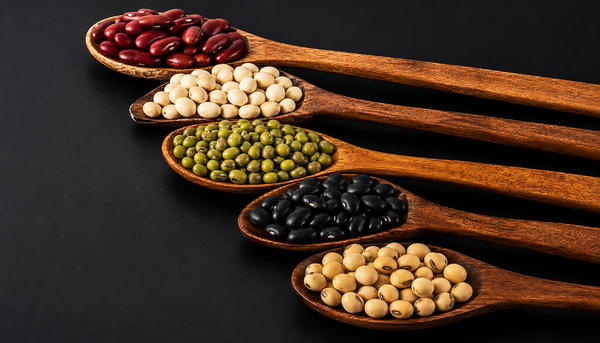
Eat 30 plant foods a week. The American Gut Project found that people who ate more than 30 different plant types weekly had significantly more diverse microbiomes than those eating fewer than 10. Rotate vegetables, fruits, legumes, nuts, seeds, herbs, and whole grains.
Prioritize fiber, not just protein. Fiber is the single most researched lever for a healthy gut microbiome. It feeds beneficial bacteria that produce butyrate. If your diet is fiber poor, a dietary fiber supplement like psyllium husk or inulin can bridge the gap while you build up whole food intake. Aim for 25 to 38 grams daily.
Add fermented foods daily. Yogurt, kefir, kimchi, sauerkraut, and miso introduce live cultures that can transiently boost diversity and support digestion.
Don't skip prebiotics. Prebiotics are the fiber compounds that feed your existing good bacteria. Garlic, onions, leeks, bananas, and oats are natural sources. If your gut needs extra support, combining prebiotic probiotic tablets gives you both the bacteria and the food source in one step, which research suggests works better together than probiotics alone.
Try sea buckthorn. This bright orange berry is having a real moment, and it's backed by more than trend value. Sea buckthorn is rich in omega 7 fatty acids, vitamin C, and polyphenols that support the gut lining and reduce oxidative stress, making it a smart, practical addition to smoothies or as an oil supplement.
Cut back on ultra processed food and artificial sweeteners. These have been shown in multiple studies to reduce microbial diversity and disrupt healthy fermentation patterns.

Lifestyle and the Gut Microbiome and Health Link
Diet is only part of the picture. Movement matters too. Regular moderate exercise, even brisk walking, has been shown to increase microbial diversity independent of diet changes. Chronic stress does the opposite. It activates your gut brain axis through the vagus nerve, increasing gut permeability and inflammation, which is why mindfulness practices and stress management genuinely count as gut health tools, not just self care fluff.
Sleep: The Most Underrated Gut Reset Tool
Here's something that might be new information for you. Your gut microbiome has its own circadian rhythm, and it shifts in composition based on your sleep wake cycle. Poor sleep or irregular sleep timing has been linked to reduced microbial diversity and higher inflammation markers. To support healing the gut microbiome through sleep, aim for a consistent bedtime, avoid heavy meals within three hours of sleep, and get morning sunlight exposure to anchor your circadian rhythm, which indirectly supports your gut clock too.
Should You Test Your Gut Microbiome?
If you're curious how to test gut microbiome composition, at home stool based microbiome analysis kits are now widely available and can map your bacterial diversity and flag imbalances. They're a useful starting point, though the science of translating results into precise personalized diets is still evolving, so treat results as a general guide rather than a diagnosis.

Key Takeaways
Diversity matters more than chasing one "perfect" bacteria strain.
Fiber and plant variety are the foundation of any real microbiome diet.
Sleep and stress directly shape your intestinal microbiome, not just your food choices.
Prebiotic probiotic tablets, probiotic capsules, and a dietary fiber supplement can practically support your reset when whole foods fall short.
Gut microbiome analysis is a helpful guide, not a definitive diagnosis.
FAQs
1. What is gut microbiome in simple terms?
It's the trillions of bacteria and other microbes living in your intestines that help digest food, produce vitamins, and support immunity.
2. How to improve gut microbiome fastest?
Increase plant food variety, add fiber and fermented foods, sleep consistently, and move daily. Changes can begin within days but lasting shifts take weeks.
3. Can gut microbiome affect weight loss?
Yes, gut bacteria influence calorie extraction and appetite hormones, though it works alongside diet and activity, not as a standalone fix.
4. What foods heal the gut microbiome?
Fiber rich vegetables, legumes, fermented foods, and prebiotic rich foods like garlic and onions are top choices.
5. Are probiotic capsules necessary?
Not always, but they can help during or after antibiotic use, travel, or when whole food diversity is limited.
6. How to test gut microbiome at home?
Stool based microbiome analysis kits are available online and provide a general diversity and bacterial composition report.
7. What is sea buckthorn used for in gut health?
It supports the gut lining and reduces oxidative stress thanks to its omega 7 content and antioxidants.
8. How does sleep affect the human gut microbiome?
Sleep follows a circadian rhythm that your gut bacteria also follow, so irregular sleep can reduce microbial diversity.
9. What are gut microbiome types?
Also called enterotypes, these are broad classifications based on dominant bacterial genera, though diversity matters more than type.
10. How often should I take a dietary fiber supplement?
Daily is fine if your whole food fiber intake is low, but aim to gradually replace it with fiber rich foods over time.
Your gut didn't get out of balance overnight, and it won't reset overnight either. But small, consistent choices in what you eat, how you sleep, and how you manage stress genuinely add up to a stronger, more diverse microbiome and a healthier you.

Recommended Products
 Probiotic + Prebiotic
₹664 – ₹3,355
Probiotic + Prebiotic
₹664 – ₹3,355
 Daily Probiotic Slow
₹1,259 – ₹2,518
Daily Probiotic Slow
₹1,259 – ₹2,518
 Himalayan Sea Buckthorn Juice with Curcumin Extract | 500ml
₹809
Himalayan Sea Buckthorn Juice with Curcumin Extract | 500ml
₹809
 Daily Fiber | Pina Colada Flavour
₹872 – ₹1,708
Daily Fiber | Pina Colada Flavour
₹872 – ₹1,708
 Daily Fiber | Vanilla Berry Flavour
₹872 – ₹1,708
Daily Fiber | Vanilla Berry Flavour
₹872 – ₹1,708











Leave a comment