


Your small intestine can't break down this starch. That failure is exactly what makes it one of the most useful things you can eat.
The Fibre You're Already Eating
Most people think of starch as the thing to avoid: rice, potatoes, dal, all filed under "carbs to watch." But there's a category of starch that behaves nothing like the rest. It passes through your stomach and small intestine undigested, then reaches your colon intact, where it becomes food for your gut bacteria instead of glucose for your bloodstream.
That's resistant starch. And most Indian diets already contain the raw ingredients for it but the problem is nobody's optimising for it. Rice, potatoes, and legumes are staples on nearly every plate, but how they're cooked and served determines whether they behave like regular starch or resistant starch. Get that detail right, and you've upgraded a daily habit into something with measurable metabolic payoff (NIH).
Foods high in resistant starch aren't exotic. They're sitting in your kitchen right now. The gap is awareness, not access.
What Is Resistant Starch and Why Is It Important?
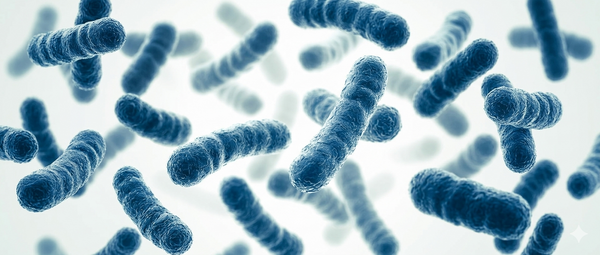
What is resistant starch and why is it important comes down to one word: fermentation. When resistant starch reaches your colon, gut bacteria ferment it and produce short-chain fatty acids, mainly butyrate, along with acetate and propionate. Butyrate is the primary fuel source for the cells lining your colon. It also plays a role in reducing gut inflammation and strengthening the gut barrier.

This is different from regular fibre. Regular fibre adds bulk. Resistant starch feeds a specific process that produces a specific compound your colon cells are built to run on.
There are four recognised types of resistant starch:
-
RS1: Physically trapped in whole grains and seeds
-
RS2: Found in raw potatoes and green bananas
-
RS3: Formed when certain starches are cooked and then cooled
-
RS4: Chemically modified, found in some processed foods
RS3 is the most relevant one for home cooking, because it means the same rice you eat every day can be turned into a resistant starch food just by changing the order of steps.

There's also a well-documented effect called the "second-meal effect." Eating resistant starch at one meal improves blood sugar control at the next meal, even if that next meal has no resistant starch in it at all (NIH). Your gut bacteria produce short-chain fatty acids that influence insulin sensitivity for hours afterward, the benefit outlasts the meal itself.

For anyone already tracking blood sugar response, this mechanism is one reason resistant starch is often mentioned alongside a berberine supplement routine, both work on glucose handling, just through different pathways. Berberine acts more directly on insulin signalling, while resistant starch works upstream, through the gut and the fermentation byproducts it generates.
How to Increase Resistant Starch Naturally
How to increase resistant starch naturally doesn't require new groceries. It requires three tweaks to food you already cook.
-
Cook, then cool: Rice, potatoes, and pasta all form RS3 when cooked and refrigerated for at least a few hours before eating, even reheating afterward doesn't fully undo the effect. Cold rice salad, refrigerated aloo for a sabzi the next day, or pasta salad all count.
-
Go slightly underripe with bananas: Green and just-turning bananas carry far more resistant starch than yellow, fully ripe ones. As bananas ripen, resistant starch converts to sugar, so riper is not better here.
-
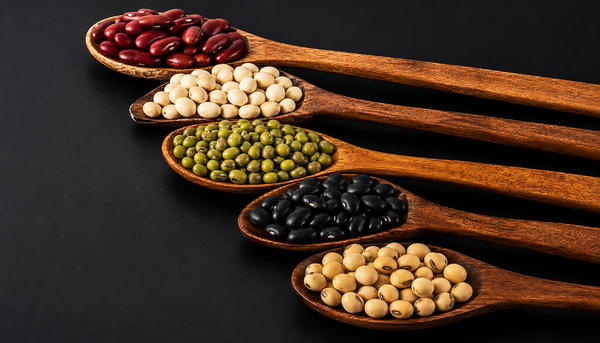
Add legumes daily: Dal, rajma, chana, and other legumes are naturally among the best resistant starch foods available, regardless of how they're cooked. They combine resistant starch with regular fibre and plant protein, which is part of why legume-heavy diets consistently show up in gut health research.
Other foods rich in resistant starch worth knowing: raw or slightly cooked oats, whole grains like barley and sorghum, and unripe plantain. None of these require a diet overhaul, just a shift in how often they show up and how they're prepared.
Where It Fits With the Rest of Your Routine
Resistant starch doesn't work in isolation, it works because of what it feeds. The short-chain fatty acids produced during fermentation support the same bacterial populations that probiotic capsules are designed to introduce and that prebiotic probiotic tablets are designed to feed. Resistant starch is, functionally, a prebiotic. It's just one you can get from a rice cooker instead of a bottle.
There's also a satiety angle. Resistant starch slows gastric emptying and increases the release of fullness hormones like GLP-1 and PYY, which is why it's often discussed in the same breath as weight loss capsules that work on appetite regulation, both are targeting the same feeling of fullness, one through fermentation byproducts, the other through direct hormone modulation (NIH).
And if muscle recovery is part of your routine, pairing a resistant-starch-rich meal like cold rice or a legume bowl with a scoop of protein powder post-workout gives you both a fed gut microbiome and the amino acids needed for repair, without one crowding out the other.
Key Takeaways
-
Resistant starch skips digestion in your small intestine and gets fermented by gut bacteria in your colon instead
-
Fermentation produces butyrate, the primary fuel source for your colon cells
-
Cooking and then cooling rice, potatoes, or pasta significantly raises their resistant starch content
-
The "second-meal effect" means resistant starch at breakfast can improve blood sugar response at lunch
-
Legumes, green bananas, oats, and cooled starches are the best resistant starch foods to build a habit around
-
Resistant starch functions as a natural prebiotic, feeding the same bacteria that probiotic capsules aim to support
The Takeaway
Resistant starch is the rare case where doing less: less digestion, less immediate glucose release, does more for your body. It's not about eating differently. It's about cooking the same food one step smarter and letting your gut bacteria do work your small intestine was never going to do anyway.
FAQ
What is resistant starch?
Resistant starch is a type of starch that resists digestion in the small intestine and travels to the colon intact, where gut bacteria ferment it into short-chain fatty acids like butyrate.
What is resistant starch and why is it important for health?
It's important because the fermentation byproducts it produces fuel colon cells, support gut barrier strength, and improve blood sugar response at subsequent meals through the second-meal effect.
How to increase resistant starch naturally without changing my diet completely?
Cook rice, potatoes, or pasta and refrigerate them for a few hours before eating, choose slightly underripe bananas, and include legumes like dal or chana daily. These small changes work with foods already in most kitchens.
Which foods are highest in resistant starch?
Cooked and cooled rice or potatoes, green bananas, legumes (dal, rajma, chana), raw oats, and whole grains like barley are among the best resistant starch foods available.
Does reheating cooked and cooled rice remove the resistant starch benefit?
No. Once RS3-type resistant starch forms during cooling, most of it survives reheating, so leftover rice retains much of its resistant starch content even after being warmed up again.
Can resistant starch help with weight management?
Resistant starch slows gastric emptying and increases fullness hormones like GLP-1, which can support appetite control. It works through a different mechanism than weight loss capsules but toward a similar outcome — feeling fuller for longer.
Is resistant starch the same as regular dietary fibre?
No. Regular fibre mostly adds bulk and isn't fully fermented. Resistant starch is specifically fermented by gut bacteria into short-chain fatty acids, particularly butyrate, which has distinct benefits for colon health.
How much resistant starch should I eat per day?
There's no official RDA yet, but research studies commonly use 15-20 grams per day to observe metabolic benefits. Building in one cooled-starch meal and one legume-based meal daily gets most people close to that range.
Does ripening affect the resistant starch content of bananas?
Yes. As bananas ripen, resistant starch converts into sugar, which is why green or just-turning bananas carry meaningfully more resistant starch than fully yellow, ripe ones.
Can I get resistant starch benefits from supplements instead of food?
Some prebiotic probiotic tablets include resistant starch or similar fermentable fibres as an ingredient, but whole foods like legumes and cooled rice remain the most accessible and well-studied sources.

Recommended Products
 Daily Greens
₹590
Daily Greens
₹590
 Daily Probiotic Slow
₹1,259 – ₹2,518
Daily Probiotic Slow
₹1,259 – ₹2,518
 Healthy Gut
₹649 – ₹1,298
Healthy Gut
₹649 – ₹1,298
 Probiotic + Prebiotic
₹664 – ₹3,355
Probiotic + Prebiotic
₹664 – ₹3,355












Leave a comment