Getting Your Diet Protein Powder Right for Real Results
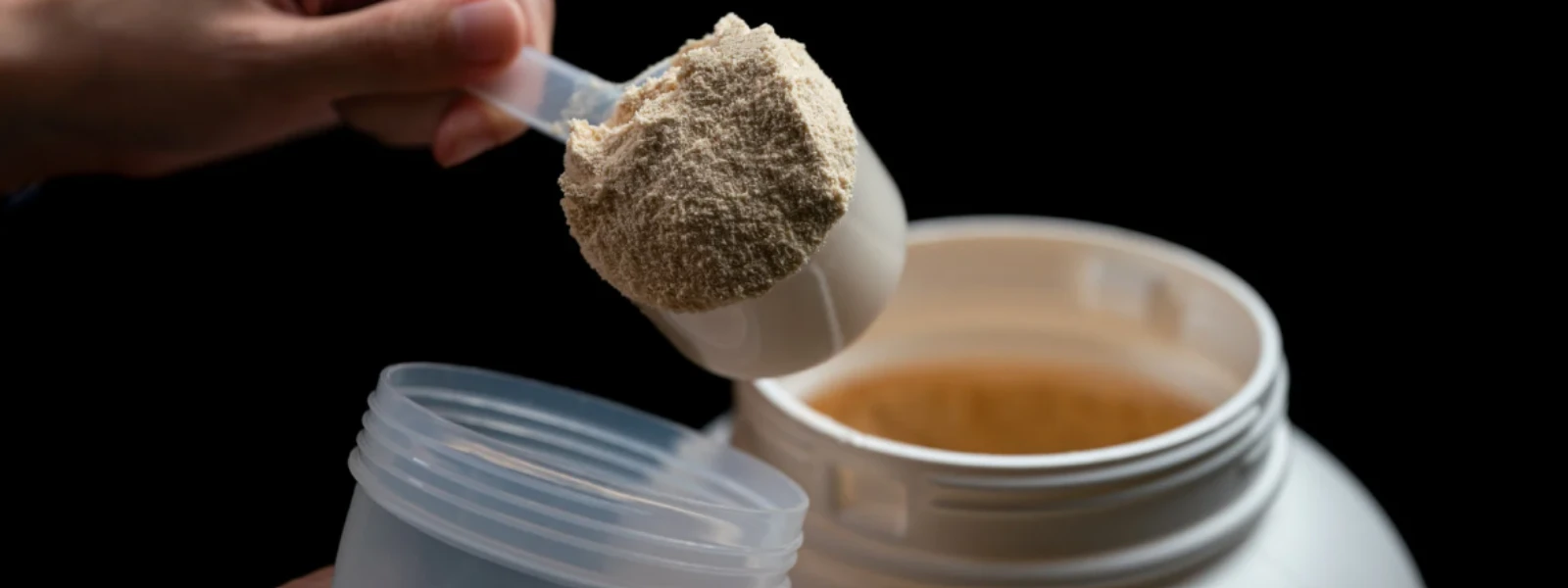


A diet protein powder should fit your food intake, training, and daily protein target. It is not a shortcut for fat loss or muscle gain. This guide explains how to read the label, choose a protein type, and use powder without letting it replace balanced meals.
Diet protein powder is a broad category for powders used within a calorie-aware eating plan. It differs from mass gainers, which are designed to add more calories through larger servings and added carbohydrate or fat.
A diet-focused option usually has a leaner calorie profile per serving. Check the added sugar, fat, and total calorie content. A standard powder can still fit a diet, but its serving size and macros must suit your plan.
Start with protein per serving, then compare it with total calories. Review the sweetener and ingredient list. If third-party testing information is provided, it can be another useful label marker. Choose a format you can digest and use consistently.
During a calorie deficit, protein powder can help you reach a planned protein intake when food alone is not practical. Protein may also support fullness between meals. This can make it easier to manage hunger without turning every meal into a large serving.
Protein also has a role in maintaining lean mass during a diet phase, especially when paired with resistance training. These protein powder benefits depend on the full diet, training routine, and total calorie intake.
Insight Corner: Powder Supports Food, Not the Other Way Around
Whole-food protein sources can provide variety and meal satisfaction. Use diet protein powder for convenience, not as the foundation of every meal.
The best protein powder is the one that fits your goal, food preferences, and tolerance. There is no single winner for every diet phase.
Whey protein isolate is often chosen for its fast absorption and lean-calorie profile. It is also lower in lactose than some other whey formats. The whey protein benefits most relevant to a diet phase include fast absorption and a lean calorie profile. A gut-friendly, high-absorption whey protein can help you absorb more protein, which may support better results during a calorie deficit. A whey protein powder can suit a calorie deficit when its serving calories fit your daily plan.
Casein digests more slowly than whey. It may suit a longer gap between meals, such as overnight. For some people, this makes it a useful option when managing hunger during caloric restriction.
Plant-based protein can suit people who avoid dairy or prefer plant-based foods. Check whether the product provides a complete amino acid profile. If it does not, a blend of plant protein sources may offer broader amino acid coverage.
Collagen powder and collagen peptides have a different role from whey or a complete plant protein. Clinically proven marine collagen peptides are linked with joint, skin, and connective tissue support, and may help reduce fine lines and wrinkles. Collagen is not a complete protein substitute for a muscle-focused diet plan.
If muscle maintenance is your main goal, build your protein plan around complete protein sources. Collagen benefits can be relevant to your wider routine, but collagen should not replace your main dietary protein.
Use protein powder to fill the gap between your food intake and your daily protein target. Protein needs are often planned by body weight, activity level, training goal, and calorie intake. A dietitian can help set a suitable target for an active person in a deficit phase.
More scoops do not always mean better results. Over-reliance can displace whole-food protein sources and add unwanted calories. If you have a health condition or need a specialised diet, seek individual guidance before changing your intake.
Protein powder for weight loss can support a plan through satiety, the thermic effect of protein, and lean-mass retention during a calorie deficit. These are supportive mechanisms, not guarantees of a certain result.
Choose a powder that fits your calorie budget and does not add ingredients you do not need. Avoid claims that promise rapid or fixed weight-loss outcomes. Results depend on the full pattern of eating, movement, training, and recovery.
Protein powder for muscle gain can be useful in a slight calorie surplus or a body-recomposition plan. In this setting, the goal is to support training and meet a daily protein target without making meals difficult to manage.
A shake after training may be convenient, but timing is only one part of the plan. Regular meals, enough total protein, and progressive training still matter. Adjust serving size based on your total food intake.
Keep protein powder recipes simple and track the full serving. Blend diet protein powder with water and ice for a basic shake. Stir it into overnight oats with a portion that suits your meal plan. Mix it into yoghurt for a thicker snack. You can also blend it with fruit and ice, while keeping an eye on the added calories.
A low 1 kg price does not always mean better value. Compare the cost per gram of protein, not only the sticker price. First, check the number of servings. Then calculate how much protein each serving provides. A lower-priced tub with less protein per serving may not be the better fit.
Also consider ingredient quality, testing information, flavour, and tolerance. Superior ingredients, highly absorbable formats, palatable flavors.
Choose based on protein percentage, calorie fit, additives, flavour preference, and third-party testing information where available. The right choice depends on your diet and tolerance.
Some dietitians are concerned when powder replaces whole foods, adds unnecessary processed ingredients, or leads to excessive intake. Protein powder may be unnecessary when food already meets your needs.
Choose a powder that suits your calorie target, protein needs, and digestion. Whey isolate, casein, and plant-based options can all fit, depending on your diet context.
Your amount depends on your body weight, daily food intake, activity, and total protein target. Use whey as a supplement to food, and seek personalised guidance if needed.
Getting diet protein powder right starts with your goal, diet, and label reading. Choose a protein type that fits your routine, keep whole foods central, and assess value by protein content rather than price alone. Wellbeing Nutrition offers whey protein and collagen formats for people building a considered supplement routine.




Someone sent you


